A Primary Care Doctor Explains the Link with Heart Disease and High Cholesterol
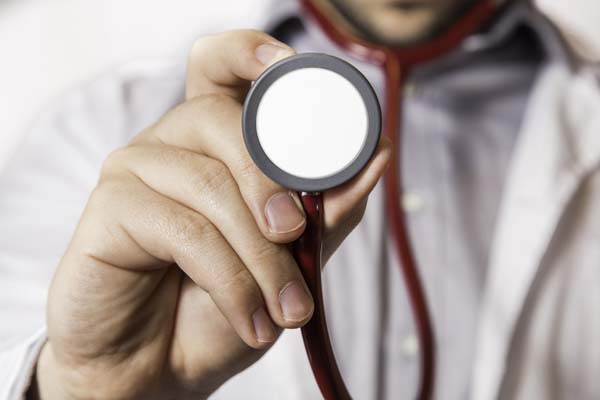
Your primary care doctor monitors you for high cholesterol during routine checkups. Heart disease is the leading cause of death in the US, and it is the term used to describe several heart conditions. Diet and exercise play an important role in heart disease and your overall body health.
Sometimes, heart conditions can be genetic, and regardless of what you eat or how much exercise you get, you will still end up with the disease.
What is cholesterol?
Cholesterol is a waxy substance that is found in our blood. The human body needs cholesterol to build healthy cells, but too much cholesterol is not good. If your body has a rise in cholesterol, it will increase the risk of heart disease.
The waxy substances can become larger and develop into fattier deposits inside your blood vessels. After some time, these deposits will grow and make it difficult for your blood to flow normally.
Your primary care doctor will monitor your cholesterol levels, and if found to be on the higher end, they may prescribe medication to help bring the levels down.
How to reduce cholesterol
If your primary care doctor discovers that you have high cholesterol, there are some healthy habits you can come accustomed to that may help reduce your levels.
- Eat healthy – Eating healthier foods will decrease your bad cholesterol and put you on the right track to a healthier you.
- Exercise – Exercising, even as little as 15 minutes a day, can help your body reduce cholesterol. Any type of exercise that gets your heart rate up is good for your body.
- Quit Smoking – Tobacco use is not a good habit for any part of the body. The sooner you stop smoking, the sooner you could decrease your cholesterol and risk for heart disease, along with many other issues that smoking can bring on.
- Lose Weight – Losing weight can help reduce your cholesterol. Carrying extra weight, even a tiny amount, can raise your cholesterol levels.
Pay attention to any suggestions your physician has for you regarding ways to lower your cholesterol. They know what is best for you and will safely help you reduce your levels as quickly as possible.
Learn more about heart disease and cholesterol
Heart disease and cholesterol are linked to heart disease, and you should do whatever you can to help lower your levels after receiving a bad report from recent bloodwork. Cholesterol can build up your blood vessels and bring on heart attacks, strokes, and many other ailments.
Lifestyle changes you can make to help lower your cholesterol naturally. The changes are minimal but important in your overall health and should not be overlooked. Always listen to your doctor, incorporate a healthy lifestyle and eating habits, and you should be on your way to lowering your risk of heart disease.
Request an appointment here: https://primarycarefriscotx.com or call Delc Medical Center at (469) 287-4509 for an appointment in our Frisco office.
Check out what others are saying about our services on Yelp: Primary Care in Frisco, TX.
Recent Posts
Family medicine provides families with reliable, continuous medical care from trusted medical providers in their neighborhood. Working with a primary care doctor simplifies routine checkups, sudden illnesses, and chronic health needs for the entire household. This approach to healthcare ensures that you and your loved ones receive compassionate, personalized attention whenever you have a medical…
For the past few years, many individuals have chosen medical weight loss through GLP-1 injections. While several patients have benefited from this approach and achieved their weight loss goals, others may be hesitant to inject themselves with medication. Fortunately, there are personalized medical weight loss programs in which a medical professional uses your health history,…
Preparing for a new season requires careful attention to health, making a sports physical exam vital to ensuring an athlete can safely handle intense physical exertion. This routine medical evaluation allows a primary care provider to identify potential health concerns before official practices begin. Understanding what occurs during these assessments is the first step toward…
Pap smears support women's health by helping detect cervical cell changes early, often before symptoms appear. This simple screening test checks cells from the cervix for abnormalities that may develop into cervical cancer without proper monitoring or treatment. Regular screening gives patients and providers important information about cervical health and helps guide the next steps…